1. Understanding Office Furniture Categories
Corporate furniture falls into workstations, seating, conference & meeting, reception, storage, and breakout furniture. Each category has sub-types tuned for job roles — developers need deep desks and cable management; client-facing teams need presentation-ready meeting zones; HR and finance need secure storage.
Modular systems let you mix open benching, semi-private pods, and enclosed cabins within one aesthetic family. This hybrid approach is now standard for Indian IT parks, startups, and professional services firms.
2. Workstations — Sizing & Configuration
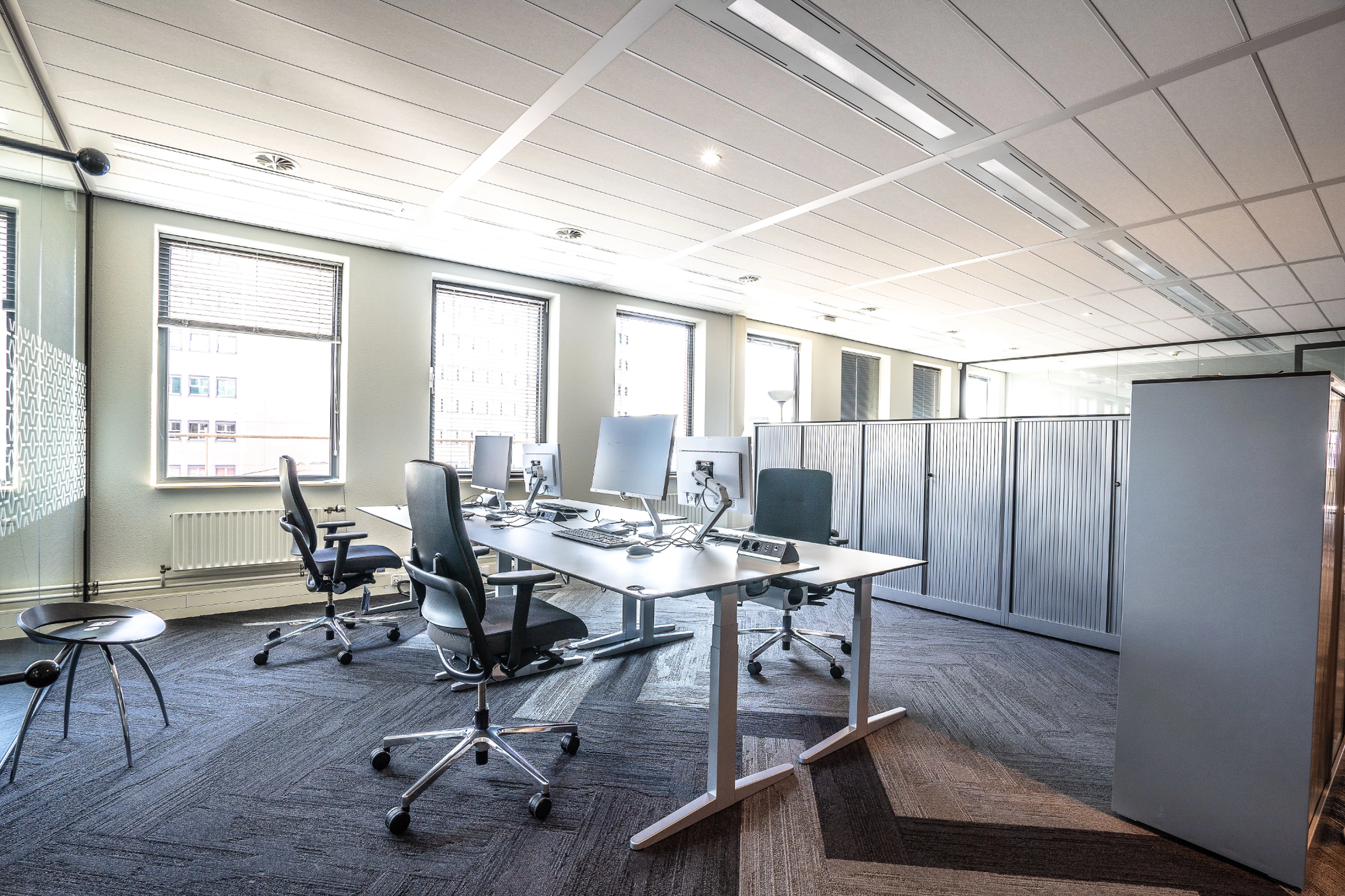
Standard workstation widths range from 1200mm to 1600mm per person. Depth of 750–800mm accommodates monitors and keyboards. Cluster layouts reduce per-seat cost; L-shape units improve focus for analysts and designers.
Specify CPU holders, monitor arms, modesty panels, and power modules upfront. Retrofitting cable management after installation is expensive and disruptive.
3. Seating — Ergonomics & Durability
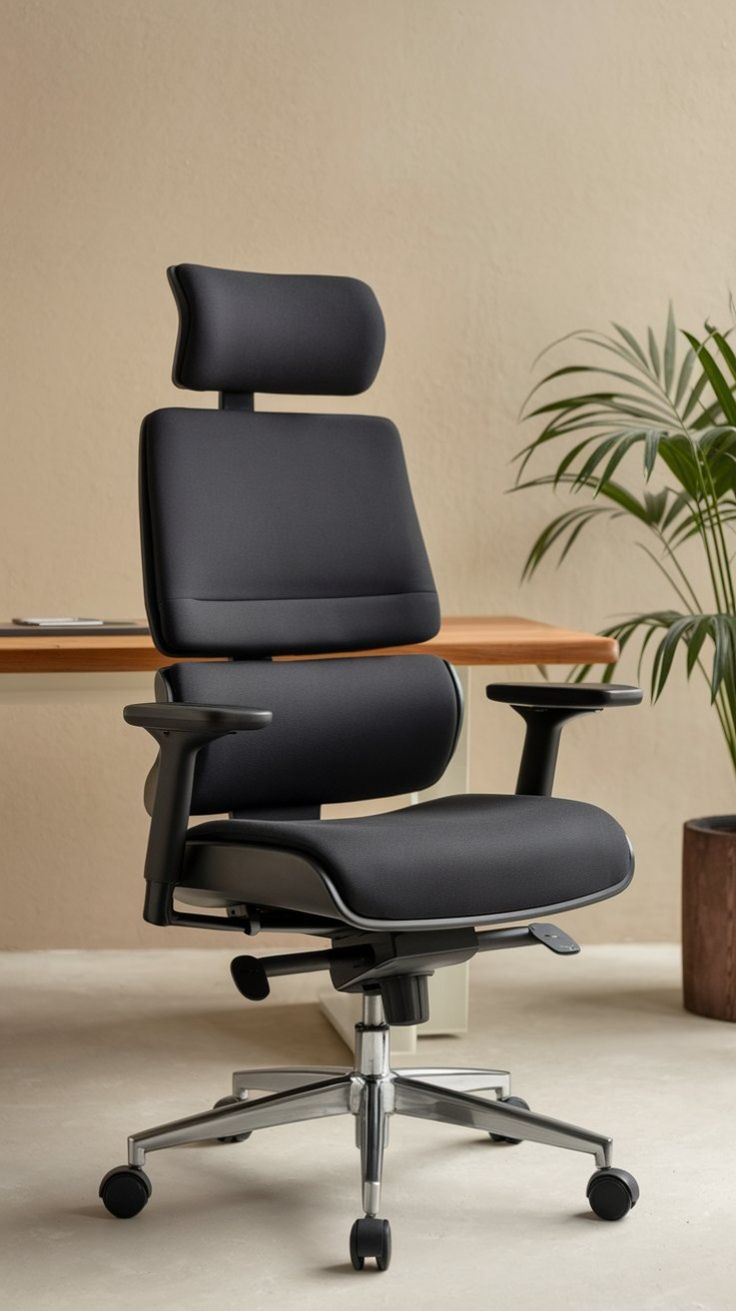
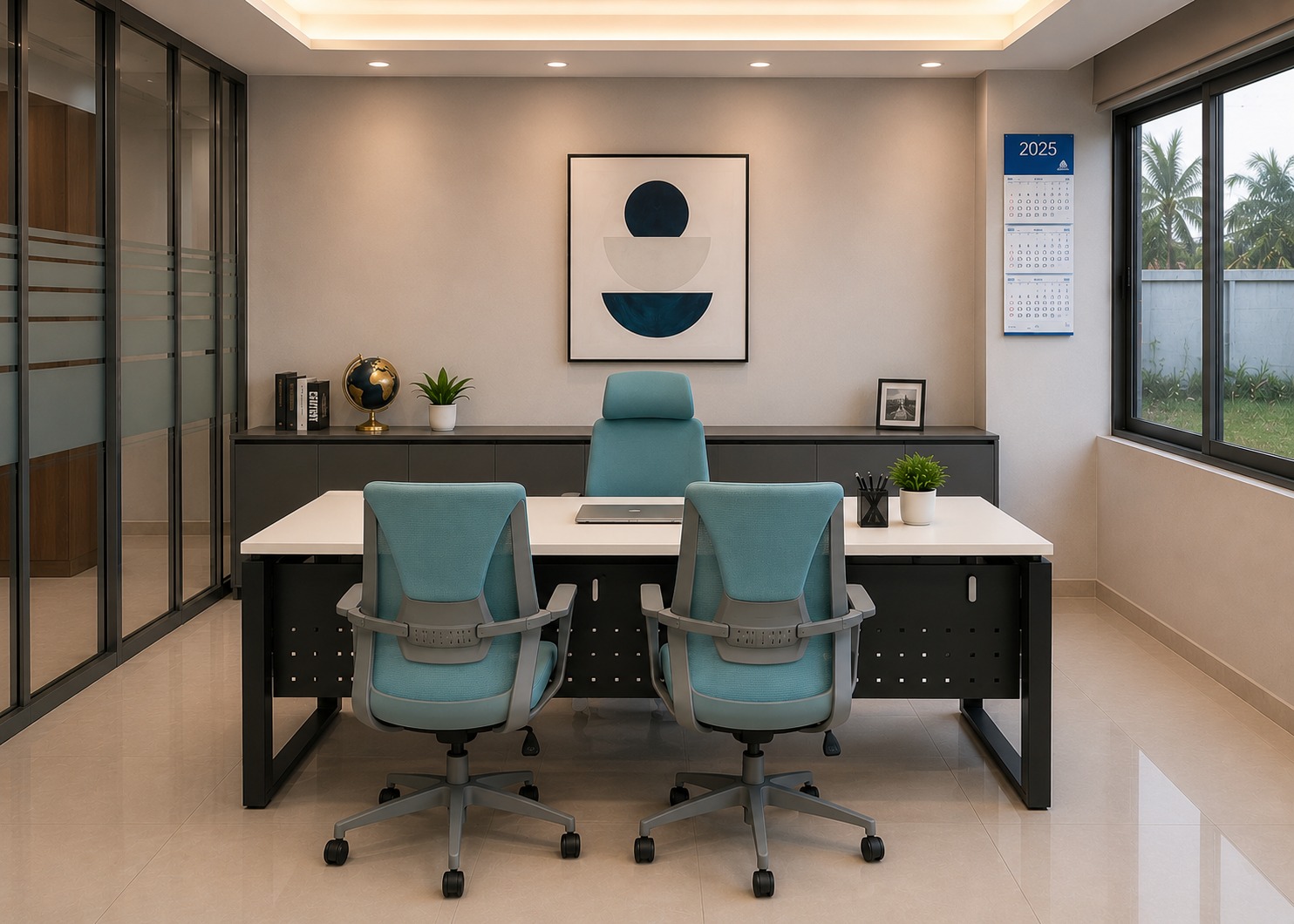
Task chairs should offer height adjustment, lumbar support, and breathable materials for 8+ hour use. Mesh backs suit hot climates; executive chairs suit boardrooms and client cabins.
BIFMA-inspired testing and warranty terms indicate long-term value. Cheap chairs fail within 12–18 months, erasing initial savings.
4. Conference & Collaboration Furniture
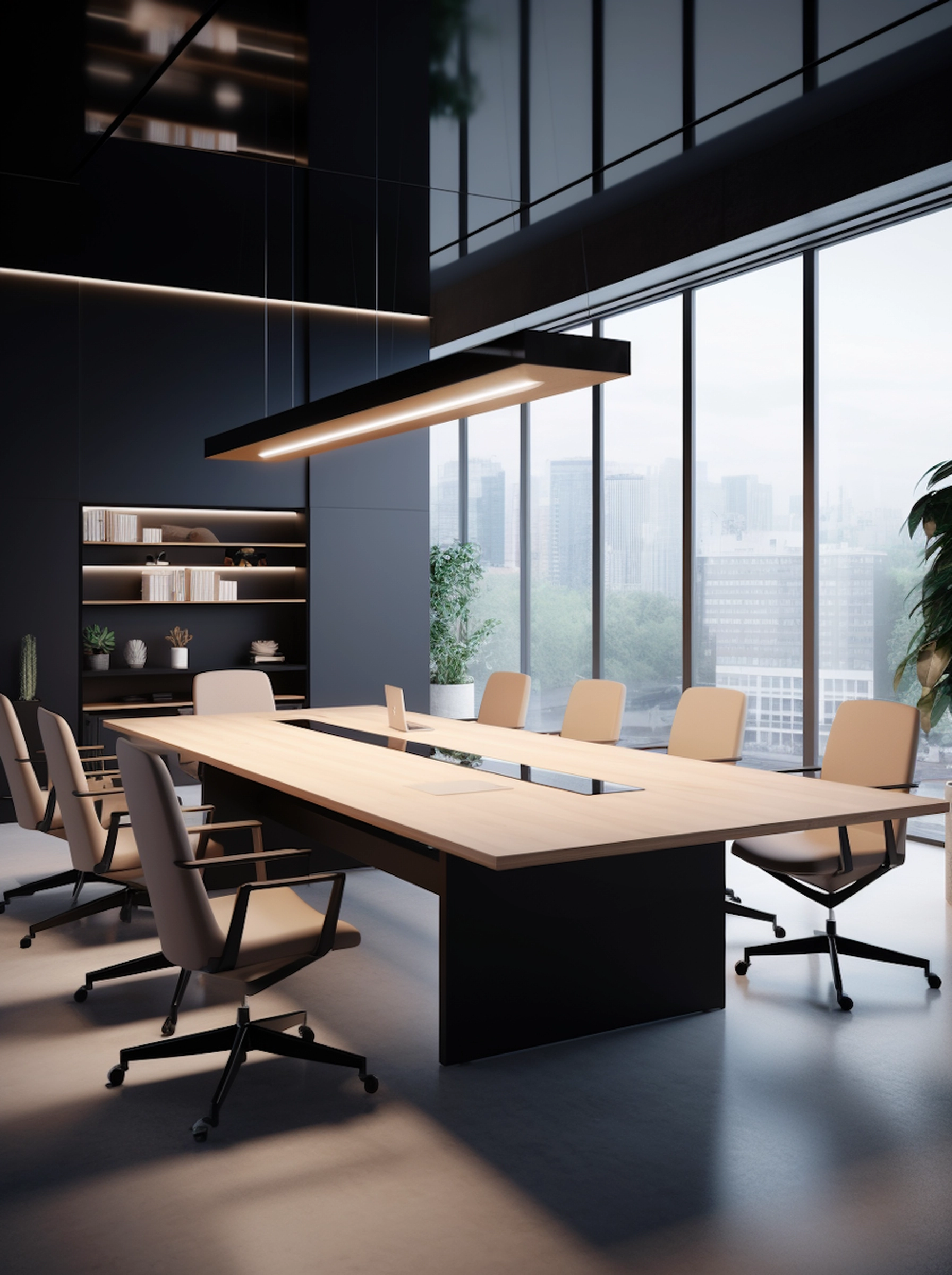
Conference tables must match room proportions — allow 700mm width per chair plus circulation space. Integrate power and AV connectivity for hybrid meetings.
Huddle tables, standing meeting counters, and training room tables extend collaboration beyond the main boardroom.
5. Storage & Filing
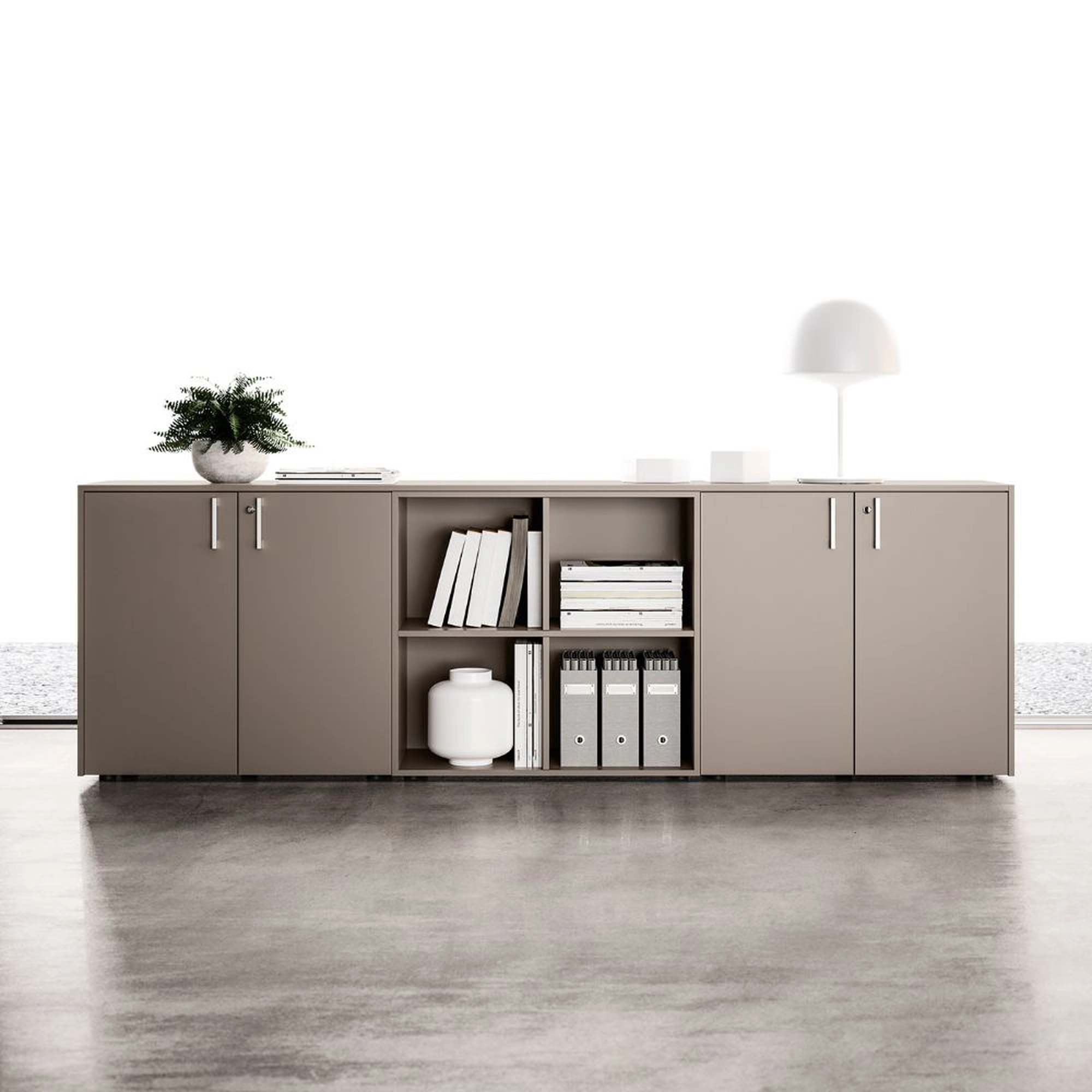
Balance open shelving for agile teams with lockable cabinets for confidential records. Pedestals under desks save floor area; tall units maximize vertical storage.
Metal storage withstands heavy use in operations teams; laminate finishes align with executive interiors.
6. Budgeting & Cost Estimation
Indian office furniture budgets in 2026 typically range from ₹8,000–₹25,000 per workstation (furniture only) depending on finish and customization. Executive zones and reception counters are priced separately.
Factor 10–15% for installation, freight, and contingencies. Factory-direct manufacturers in Gujarat often deliver 15–30% savings versus multi-brand resellers.
7. Layout Planning by Headcount
For 20–50 employees, combine 70% open workstations and 30% meeting/storage/cabin space. Above 100 seats, introduce neighborhood zones with shared support areas to reduce walking distance.
Use CAD layouts to validate fire egress, HVAC diffusers, and column grids before PO release.
8. Vendor Selection Checklist
Evaluate manufacturing capability, past projects, lead time consistency, after-sales parts availability, and GST-compliant invoicing. Visit the factory or finished sites when order value exceeds ₹10 lakhs.
Flexii Systems manufactures in Vadodara with projects across Gujarat and pan-India metros — providing single-point accountability from drawing to installation.
9. Delivery, Installation & Handover
Confirm floor protection, lift access, and working hours for installation. Inspect each batch against approved finishes. Document snag lists and closure timelines in the purchase order.
10. Maintenance & Future Expansion
Maintain a spare parts list for casters, handles, and panels. Modular furniture should expand by adding bays rather than replacing entire floors. Plan refresh cycles every 7–10 years for fabric and foam components.